ID: 0946
DATE: 2024/01/04
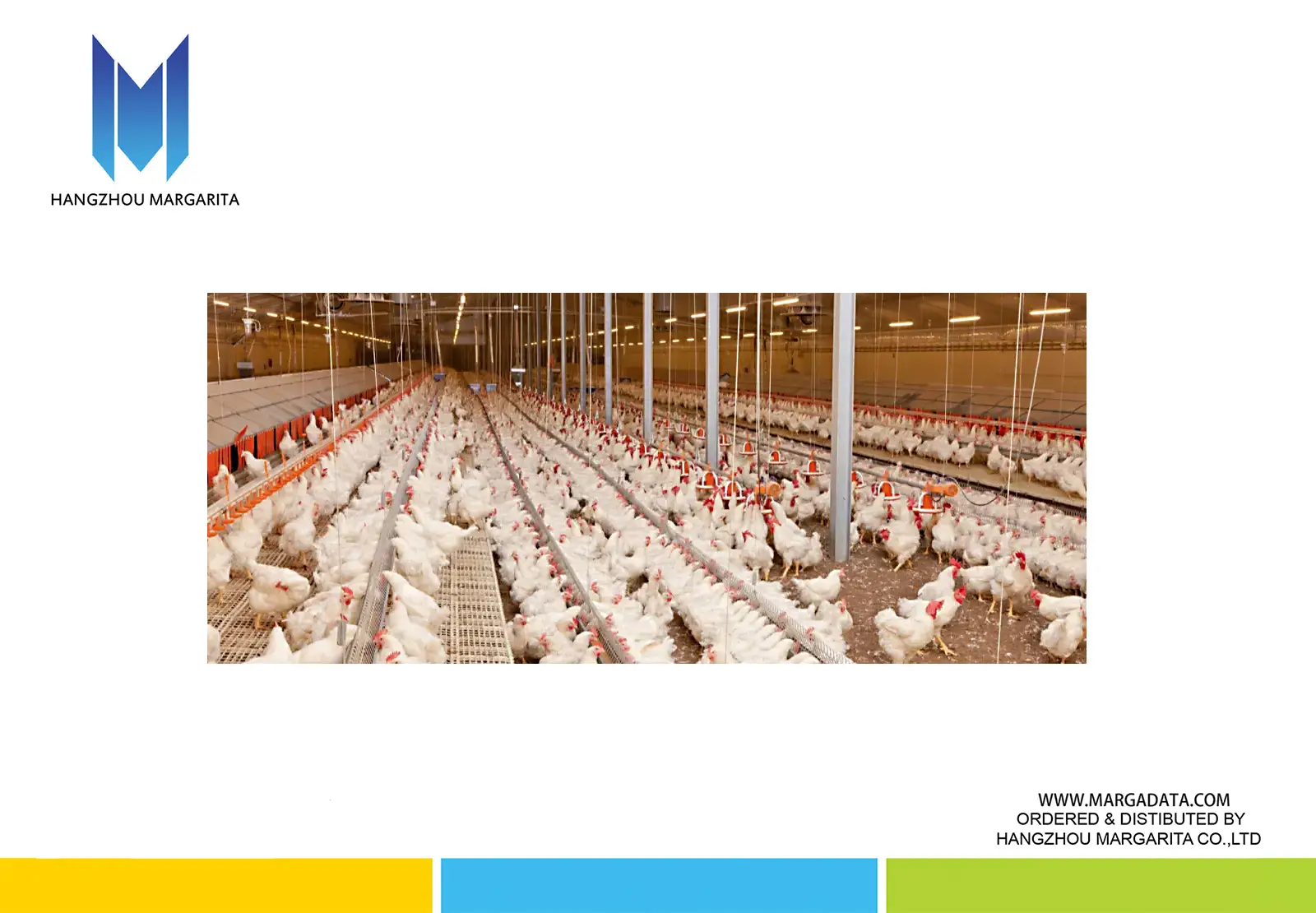
GOODS NAME: Broiler farm
HS CODE:
DETAILS:
Broiler farming is a vital component of the poultry industry, providing a significant source of meat production worldwide. This introductory guide aims to provide a comprehensive overview of broiler farming practices, from understanding the fundamentals of broiler chickens to exploring key aspects of breed selection, management, infrastructure, and health considerations. By delving into the equipment needed, breeding techniques, farming practices, and marketing strategies, this article aims to equip both novice and experienced farmers with essential knowledge to thrive in the broiler farming sector.
1. Overview of Broiler Farming
1.1 What are Broiler Chickens?
Broiler chickens are a type of poultry specifically bred and raised for their meat. These chickens are typically raised in large-scale commercial operations for the purpose of producing meat efficiently and quickly. Broiler chickens are known for their fast growth rate and high feed conversion ratio, making them a popular choice for meat production. They are typically ready for slaughter at around 6-8 weeks of age, depending on the desired weight and market requirements. Overall, broiler chickens play a significant role in meeting the demand for poultry meat worldwide.
1.2 Importance of Broiler Farming
The significance of broiler farming cannot be overstated. Broiler farming plays a crucial role in meeting the growing demand for poultry meat worldwide. This sector of the poultry industry is essential for providing a consistent supply of high-quality meat to consumers.
Broiler farming involves raising chickens specifically for meat production. These chickens are bred and raised in controlled environments to ensure optimal growth and health. The efficiency and productivity of broiler farming have made it a key component of the agricultural sector.
Furthermore, broiler farming contributes significantly to the economy by creating employment opportunities and generating revenue. It also plays a vital role in food security by providing a reliable source of protein for a growing population.
In conclusion, broiler farming is an essential aspect of the agricultural industry that serves to meet the increasing demand for poultry meat. Its importance cannot be understated, as it plays a crucial role in providing a sustainable source of high-quality meat to consumers worldwide.
1.3 Broiler Farming Industry Trends
The broiler farming industry is constantly evolving, with new trends emerging to meet the demands of consumers and the market. Keeping up with these trends is crucial for farmers looking to stay competitive and profitable in this dynamic industry.
One of the key trends in broiler farming is the increasing focus on sustainability and animal welfare. Consumers are becoming more conscious of where their food comes from and how it is produced, leading to a growing demand for ethically raised and environmentally friendly products. Farmers who prioritize sustainability and animal welfare practices are likely to attract more customers and secure long-term success in the industry.
Another trend in broiler farming is the adoption of technology to improve efficiency and productivity. From automated feeding systems to data analytics for monitoring bird health, technology is playing an increasingly important role in modern broiler farms. Farmers who embrace technology and invest in innovative solutions are able to streamline their operations, reduce costs, and maximize their profits.
Overall, staying informed about industry trends and adapting to changing market demands is essential for success in the broiler farming industry. By staying ahead of the curve and implementing best practices, farmers can position themselves for growth and sustainability in this competitive market.
2. Broiler Farming Equipment and Infrastructure
2.1 Housing and Ventilation Systems
In the realm of broiler farming, the importance of proper housing and ventilation systems cannot be overstated. These systems play a crucial role in ensuring the health and well-being of the chicken, as well as maximizing their growth and productivity.
Effective housing for broiler farming should provide a comfortable and safe environment for the birds to thrive. This includes adequate space for movement, proper flooring to prevent injury, and insulation to regulate temperature. Additionally, the housing should be designed to allow for easy cleaning and maintenance, reducing the risk of disease and contamination.
Ventilation systems are equally important in broiler farming, as they help to maintain optimal air quality and temperature within the housing. Proper ventilation can prevent the buildup of harmful gases such as ammonia, as well as regulate humidity levels to prevent respiratory issues in the chicken. It is essential to design ventilation systems that can efficiently remove stale air and replace it with fresh, clean air to promote the overall health and well-being of the broilers.
In conclusion, the proper design and implementation of housing and ventilation systems are essential components of successful broiler farming operations. By prioritizing the health and comfort of the birds, as well as maximizing growth and productivity, farmers can ensure the success and sustainability of their broiler farming endeavors.
2.2 Feeding and Watering Systems
In the realm of broiler farming, the feeding and watering systems play a crucial role in ensuring the health and productivity of the birds. These systems are designed to provide the necessary nutrients and hydration that are essential for the growth and development of broilers.
Efficient feeding and watering systems are imperative for maintaining optimal health and performance in broiler farming operations. Properly designed systems can help minimize waste, reduce labor costs, and improve overall efficiency.
When it comes to feeding, it is important to provide a balanced diet that meets the nutritional requirements of the broilers at each stage of their growth. This can be achieved through the use of automatic feeders that dispense the appropriate amount of feed at regular intervals.
Similarly, a reliable watering system is essential for ensuring that broilers have access to clean and fresh water at all times. This can be achieved through the use of automatic waterers that provide a continuous supply of water to the chicken.
Overall, investing in high-quality feeding and watering systems is essential for the success of any broiler farming operation. By providing the birds with the necessary nutrients and hydration, these systems can help ensure the health and productivity of the broilers, ultimately leading to a more profitable and sustainable business.
2.3 Heating and Lighting Equipment
Heating and lighting equipment for broiler farming are essential components for maintaining optimal conditions in poultry houses. These systems play a crucial role in ensuring the health and well-being of the birds, as well as maximizing production efficiency.
Proper heating equipment is necessary to maintain the ideal temperature for broilers, especially during colder months. This helps to prevent stress and illness in the birds, ultimately leading to better growth rates and overall performance. Additionally, adequate lighting is essential for regulating the chicken’ circadian rhythms and promoting healthy development.
Investing in high-quality heating and lighting equipment is crucial for the success of a broiler farming operation. By ensuring that these systems are properly installed and maintained, farmers can create a comfortable and productive environment for their birds, ultimately leading to higher yields and profitability.
3. Broiler Farming Practices and Techniques
3.1 Feeding and Nutrition Programs
In the realm of broiler farming, the feeding and nutrition programs implemented play a crucial role in the overall success and productivity of the operation. It is imperative to carefully design and execute a well-rounded feeding regimen that meets the dietary needs of the broilers at every stage of their growth.
To ensure optimal growth and development, broilers must be provided with a balanced diet that includes essential nutrients such as proteins, carbohydrates, vitamins, and minerals. The feeding program should be tailored to meet the specific requirements of the broilers at different stages of their life cycle, from chick to market weight.
Additionally, factors such as feed quality, feed conversion ratio, and feed efficiency must be taken into consideration when formulating a feeding program. Regular monitoring and adjustment of the feeding regimen are essential to ensure that the broilers are receiving the necessary nutrients for healthy growth and maximum productivity.
By implementing a well-planned feeding and nutrition program, broiler farmers can enhance the overall health and performance of their flock, leading to improved profitability and sustainability in the long run.
3.2 Disease Prevention and Control
In the realm of broiler farming, disease prevention and control are paramount. Ensuring the health and well-being of your flock is not only essential for their welfare but also for the success of your operation. By implementing proper protocols and practices, you can minimize the risk of disease outbreaks and maintain a thriving broiler farm.
To effectively prevent and control diseases in broiler farming, it is crucial to establish a comprehensive biosecurity plan. This plan should include measures such as limiting access to the farm, proper sanitation practices, and regular health monitoring of the flock. Additionally, vaccination programs and proper nutrition can play a significant role in boosting the immune system of the chicken and reducing the likelihood of disease.
Regularly monitoring the health of your flock and promptly addressing any signs of illness is also key in disease prevention and control. Early detection and treatment can help prevent the spread of disease and minimize its impact on your chicken. Working closely with a veterinarian can provide valuable insights and guidance in managing the health of your broilers.
In conclusion, disease prevention and control are essential aspects of broiler farming that should not be overlooked. By implementing proper biosecurity measures, vaccination programs, and regular health monitoring, you can safeguard the health of your flock and ensure the success of your broiler farm.
3.3 Growth Monitoring and Management
In the realm of broiler farming, it is crucial to closely monitor and effectively manage the growth of the birds. By implementing proper monitoring techniques and efficient management practices, farmers can ensure optimal growth and productivity in their broiler operations.
To achieve success in broiler farming, it is essential to regularly track the growth of the birds and make necessary adjustments to their environment, feed, and health care. By closely monitoring key indicators such as weight gain, feed conversion ratio, and mortality rates, farmers can identify any potential issues early on and take proactive measures to address them.
Effective management of broiler growth involves implementing best practices in nutrition, housing, and disease prevention. By providing a balanced diet, maintaining clean and well-ventilated housing, and implementing biosecurity measures, farmers can promote healthy growth and minimize the risk of disease outbreaks.
In conclusion, monitoring and managing growth in broiler farming is a critical aspect of ensuring success in the industry. By adopting a proactive approach to monitoring and implementing effective management practices, farmers can optimize growth and productivity in their broiler operations.
4. Health and Biosecurity in Broiler Farming
4.1 Common Diseases in Broiler Chickens
Broiler chickens are susceptible to a variety of diseases that can impact their health and overall productivity. It is important for poultry farmers to be aware of these common diseases in order to prevent outbreaks and ensure the well-being of their flock.
Some of the most prevalent diseases in broiler chickens include infectious bronchitis, Newcastle disease, coccidiosis, and Marek’s disease. These diseases can cause symptoms such as respiratory distress, decreased egg production, and even death in severe cases.
Preventative measures such as proper sanitation, vaccination programs, and biosecurity protocols are essential in controlling the spread of these diseases. Regular monitoring of the flock’s health and prompt treatment of any sick birds can also help to minimize the impact of these diseases.
By staying informed about the common diseases that affect broiler chickens and implementing proactive measures to prevent them, poultry farmers can ensure the health and productivity of their flock.
4.2 Vaccination Protocols
In the poultry industry, implementing effective vaccination protocols for broiler chickens is crucial to ensure the health and well-being of the flock. Vaccination plays a key role in preventing the spread of diseases and minimizing economic losses associated with illness.
Developing a comprehensive vaccination program involves careful planning and consideration of factors such as the age of the birds, the specific diseases prevalent in the region, and the desired level of protection. It is important to work closely with a veterinarian to determine the most appropriate vaccines to administer and the optimal timing for vaccination.
Regular monitoring and evaluation of the vaccination program are essential to ensure its effectiveness. This includes assessing the immune response of the birds, tracking disease incidence, and adjusting the vaccination schedule as needed.
By implementing sound vaccination protocols, broiler chicken producers can help safeguard the health of their flocks, reduce the risk of disease outbreaks, and ultimately improve the overall productivity and profitability of their operations.
4.3 Biosecurity Measures for Disease Prevention
In the poultry industry, implementing effective biosecurity measures is crucial for preventing the spread of diseases among broiler chickens. By following strict protocols and guidelines, farmers can minimize the risk of outbreaks and ensure the health and well-being of their flock.
Biosecurity measures for disease prevention in broiler chickens include controlling access to the farm, proper sanitation practices, and monitoring the health of the birds. Limiting the entry of unauthorized personnel and vehicles, as well as implementing foot baths and hand washing stations, can help prevent the introduction of pathogens onto the farm.
Regular cleaning and disinfection of equipment, facilities, and vehicles are essential to reduce the risk of disease transmission. Additionally, monitoring the health of the birds through regular veterinary checks and implementing vaccination programs can help prevent the spread of infectious diseases.
Overall, implementing biosecurity measures is essential for maintaining the health and productivity of broiler chickens. By following these guidelines, farmers can protect their flock from diseases and ensure a safe and sustainable poultry production system.
5. Marketing and Sales Strategies for Broiler Products
5.1 Understanding Market Demand
You’ve got the chicken, now it’s time to work your magic in the market. Understanding what customers want is key to making your broiler business soar higher than a chicken on a trampoline. Whether it’s organic, free-range, or extra-crispy, knowing your market demand is like having the golden egg in your basket.
5.2 Branding and Packaging for Broiler Products
In a world full of clucking competitors, standing out is no yolk. Branding and packaging are your chicken’s fancy outfit – make sure it’s dressed to impress. From catchy logos to snazzy packaging, give your broiler products the star treatment they deserve. Who knew chickens could be so stylish?
5.3 Distribution Channels and Sales Techniques
Time to spread your wings and let those broiler products fly off the shelves. Choosing the right distribution channels and mastering sales techniques will make your chicken business the talk of the town. From farm stands to online platforms, find your feathered friends their perfect roost and watch your sales take flight. It’s a poultry party, and everyone’s invited!In conclusion, broiler farming presents lucrative opportunities for poultry farmers looking to meet the increasing demand for poultry meat. By implementing sound management practices, prioritizing animal health and welfare, and adapting to market trends, broiler farmers can ensure sustainable and profitable operations. With a strong foundation in broiler farming principles and a commitment to continuous improvement, farmers can navigate the complexities of this industry and achieve success in producing high-quality broiler products for consumers worldwide.