Table of Contents
ID: 0883
DATE: 2023/08/22
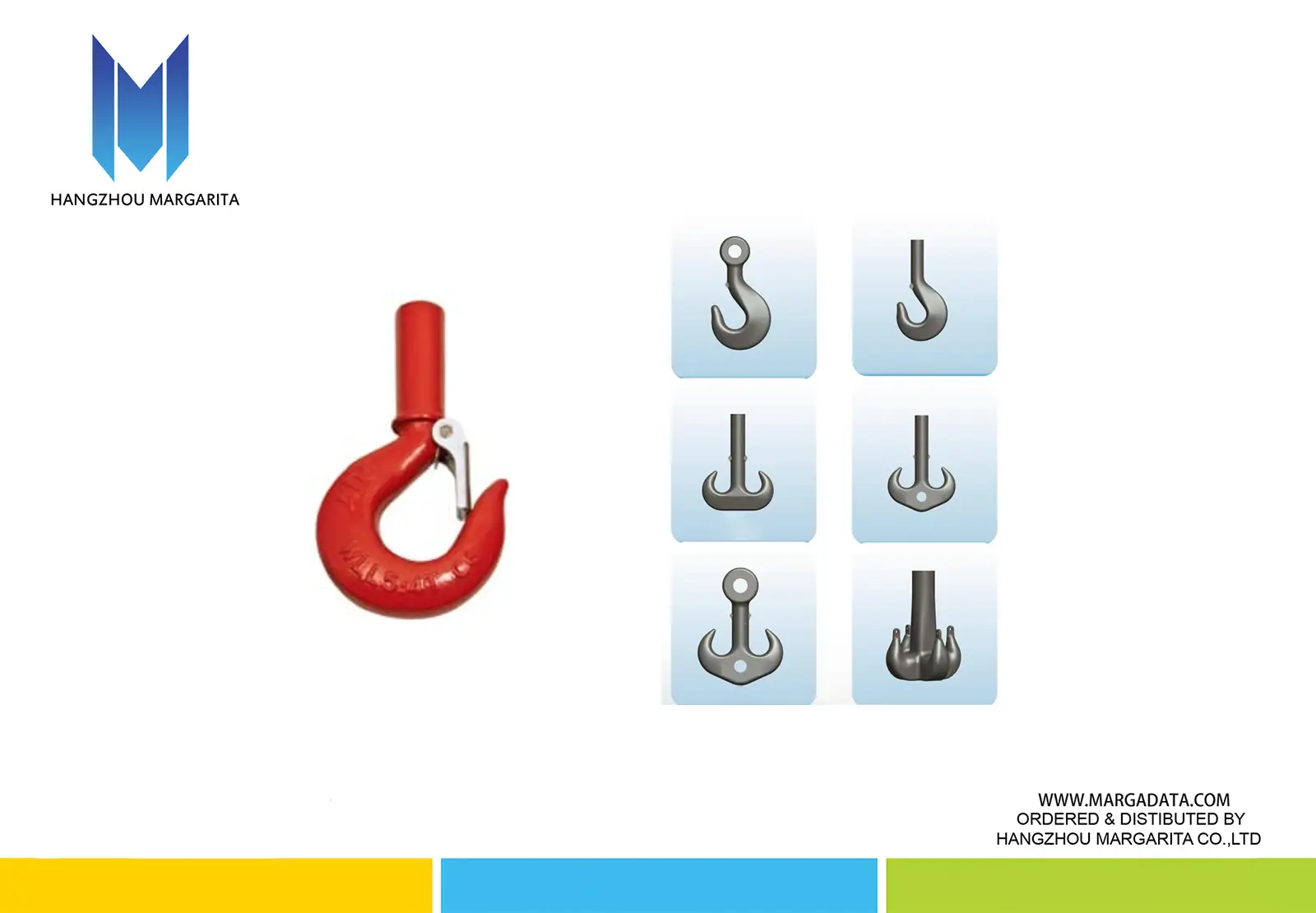
GOODS NAME: Crane hooks
HS CODE:
DETAILS:
Introduction to Crane Hooks
Crane hooks play a crucial role in the safe and efficient lifting of heavy loads in various industries. Understanding the types, components, and proper use of crane hooks is essential for ensuring the success of lifting operations and, most importantly, the safety of personnel and equipment involved. This article explores the fundamental aspects of crane hooks, including their types, components, safety considerations, maintenance practices, regulations, innovations, and applications. From the basics to the latest advancements, this comprehensive guide aims to provide valuable insights into the world of crane hooks.
Introduction to Crane Hooks
Whether you’re hoisting heavy cargo at a construction site or handling materials in a warehouse, crane hooks play a crucial role in lifting operations. These trusty hooks are like the unsung heroes of the lifting world, quietly doing the heavy lifting while everyone else gets the credit.
Definition of Crane Hooks
Crane hooks are essential components of crane systems used for lifting and moving heavy loads. They are attached to the end of the crane’s hoist rope or chain and provide a secure point for connecting loads. Think of them as the handshake between the crane and the load it’s lifting.
Importance of Crane Hooks in Lifting Operations
Without crane hooks, lifting operations would be a chaotic mess (imagine trying to lift a car with just your bare hands – not a pretty sight). These hooks ensure that loads are securely attached and lifted safely, preventing accidents and damage to both the load and the surroundings.
Types of Crane Hooks
Just like there are different types of people in the world, crane hooks come in various shapes and sizes to suit different lifting needs. From single hooks to shank hooks, each type has its own special powers.
Single and Double Hooks
Single hooks are like the solo performers of the crane hook world, while double hooks are the dynamic duos that can handle heavier loads with ease. It’s like choosing between a solo cupcake or a double-layered cake – both delicious, but one can handle more frosting.
Swivel Hooks
Swivel hooks are the fancy footworkers of crane hooks. They can rotate 360 degrees, allowing for flexibility in positioning loads without getting all tangled up. It’s like having a ballerina on your team – graceful and agile.
Shank Hooks
Shank hooks are the strong and sturdy types that can handle the toughest jobs. With a thick, robust shank, they’re like the weightlifters of the crane hook family, ready to take on the heavy lifting without breaking a sweat.
Components of a Crane Hook
Behind every successful crane hook is a team of essential components working together to get the job done. From the hook body to the latch mechanism, each part plays a vital role in ensuring smooth lifting operations.
Hook Body
The hook body is the main structure of the crane hook, providing the strength and durability needed to support heavy loads. It’s like the backbone of the hook, holding everything together and keeping things in place.
Latch Mechanism
The latch mechanism is like the safety net of the crane hook, ensuring that the load stays securely attached during lifting. It’s the extra layer of protection that gives peace of mind knowing that the load won’t go rogue mid-air.
Throat Opening
The throat opening is where the magic happens – it’s where the load gets hooked in and lifted to new heights. Like the jaws of a hungry lion, the throat opening grips the load securely, making sure it doesn’t slip away unexpectedly.
Safety Considerations for Crane Hooks
Safety first, always – especially when it comes to lifting operations involving crane hooks. From load limits to proper rigging techniques, taking precautionary measures can prevent accidents and ensure smooth sailing in the lifting world.
Load Limits and Working Load Limits (WLL)
Knowing your limits is key when it comes to crane hooks. Understanding the load limits and working load limits (WLL) ensures that you don’t push the hook beyond its capabilities, preventing potential disasters and keeping everyone safe.
Proper Rigging Techniques
Just like tying a knot in a shoelace, proper rigging techniques are essential for secure and stable lifting operations. Making sure the load is rigged correctly and evenly distributed prevents accidents and ensures smooth lifting without any hiccups.
Preventive Measures for Overloading
Overloading is like trying to shove one more book into an already overflowing backpack – it’s a disaster waiting to happen. Taking preventive measures, such as double-checking load weights and following safety guidelines, can help prevent overloading and keep lifting operations running smoothly.# Proper Maintenance and Inspection of Crane Hooks
Regular Inspection Procedures
Regular inspection of crane hooks is crucial to ensure their safe operation. Look for any signs of wear, cracks, or deformities. Check the hook’s latch and ensure it operates smoothly. Measure the hook’s throat opening and compare it to the manufacturer’s specifications. Inspect the hook’s load-bearing components for any issues. Keep detailed records of inspections for reference.
Maintenance Best Practices
Proper maintenance is key to extending the life of crane hooks. Keep the hooks clean and free of debris that could cause damage. Lubricate moving parts regularly to prevent corrosion and ensure smooth operation. Follow the manufacturer’s guidelines for maintenance intervals and procedures. Replace any worn or damaged components promptly to prevent accidents.
Common Wear and Tear Issues
Some common wear and tear issues with crane hooks include deformation of the hook body, wear on load-bearing surfaces, and latch malfunctions. Overloading can cause stress and damage to the hook. Corrosion from exposure to harsh environments can weaken the hook over time. Regular inspections can help identify these issues early for timely repairs.# Regulations and Standards for Crane Hooks
OSHA Regulations
OSHA (Occupational Safety and Health Administration) sets regulations for crane safety to protect workers. OSHA regulations include requirements for proper inspection, maintenance, and operation of crane hooks. Employers must ensure compliance with these regulations to maintain a safe working environment.
Industry Standards (ASME, ANSI)
Industry standards from organizations like ASME (American Society of Mechanical Engineers) and ANSI (American National Standards Institute) provide guidelines for crane hook design, inspection, and maintenance. Following these standards helps ensure that crane hooks meet safety and performance requirements in various industries.# Innovations in Crane Hook Design
Smart Hook Technology
Smart hook technology integrates sensors and data collection capabilities into crane hooks to monitor usage, load conditions, and maintenance needs in real-time. This technology can help prevent accidents by providing early warnings of potential issues and optimizing hook performance.
Lifting Efficiency Enhancements
Innovations in crane hook design focus on improving lifting efficiency and safety. Features like self-locking mechanisms, swivel hooks for better load control, and lightweight materials for increased capacity are examples of enhancements that aim to make lifting operations more efficient and secure.# Applications of Crane Hooks
Construction Industry
In the construction industry, crane hooks are essential for lifting and moving heavy materials on job sites. From lifting steel beams to transporting building materials, crane hooks play a vital role in construction projects of all sizes.
Shipping and Transportation
In shipping and transportation, crane hooks are used in ports, warehouses, and logistics centers to load and unload cargo from ships and trucks. Crane hooks help streamline the movement of goods and ensure efficient handling of shipments for timely deliveries.In conclusion, crane hooks are indispensable tools that enable the seamless movement of heavy loads in diverse settings. By adhering to safety protocols, conducting regular maintenance, and staying abreast of industry standards, users can maximize the efficiency and longevity of crane hooks while prioritizing safety above all else. Whether in construction sites, warehouses, or shipping yards, the proper understanding and utilization of crane hooks are paramount for successful lifting operations. Embracing innovation and best practices in crane hook technology will continue to enhance the capabilities and safety standards of these essential lifting components.
Frequently Asked Questions (FAQ)
1. How do I determine the appropriate type of crane hook for my lifting needs?
2. What are the key safety precautions to be followed when using crane hooks?
3. How often should crane hooks be inspected and maintained?
4. Are there any specific regulations that govern the use of crane hooks in different industries?
- MMD type series double hook: Product Description: MMD type double hooks, i.e., double hook blanks with lugs, Standard: GB/T10051.6-2010. Double hook blanks are divided into four types according to the structure and forging method: MM type, MMD type, MY type and MYD type, our company mainly produces MMD type M, P, (S), T, (V) five grades of double hook series. Note: The lifting capacity of each hook is different for different material strength classes and operating levels of the mechanismProduct Description: MMD type double hooks, i.e., double hook blanks with lugs, Standard: GB/T10051.6-2010. Double hook blanks are divided into four types according to the structure and forging method: MM type, MMD type, MY type and MYD type, our company mainly produces MMD type M, P, (S), T, (V) five grades of double hook series. Note: The lifting capacity of each hook is different for different material strength classes and operating levels of the mechanism